
Flooring Installation in Houston, TX
Free in-home consultations for Houston homeowners, from Heights bungalows and Memorial ranch homes to Midtown high-rises and EaDo townhomes.
Houston has one of the most varied housing stocks in the country, and the right flooring answer changes from one neighborhood to the next. A 1920s bungalow in Woodland Heights sits on pier-and-beam framing with original pine hiding under the carpet. A Memorial or Meyerland ranch sits directly on a slab that moves with the clay underneath it. A new townhome near EaDo or Washington Avenue stacks three framed floors above a garage. Those are three genuinely different installations, and treating them the same is how flooring projects go sideways.
In pier-and-beam homes around the Heights, Norhill, and Woodland Heights, we often find original longleaf pine or white oak in good enough shape to save once the carpet and tack strip come up. Refinishing is usually better value than replacement, so we check joist deflection, squeaks, and subfloor condition before recommending a direction.
In slab-on-grade homes across Memorial, Oak Forest, Sharpstown, and Meyerland, Houston expansive clay soil moves through every wet-and-dry cycle, so we measure slab flatness and run moisture testing before anything is glued down or floated. Here is why slab moisture testing matters before an install.
If you are in a mid-rise or high-rise in the Museum District, Midtown, or near the Galleria, your building almost certainly has an acoustic requirement written into the HOA rules: a minimum impact-sound rating and an approved underlayment, plus certificate-of-insurance, elevator reservation, and work-hour restrictions. We handle those requirements regularly and confirm your building specification before quoting, so nothing gets rejected on install day.
And in the parts of town that have taken on water, including Meyerland, Braeswood, and pockets along Brays and White Oak Bayou, material choice is a risk decision as much as a style decision. It is worth understanding what waterproof flooring actually means before you choose.
Houston Neighborhoods We Work In
A sample of the Houston areas we work in most often. This is not the full list, so if your neighborhood is not named here we very likely still serve it.
- The Heights and Woodland Heights
- Memorial and Spring Branch
- Montrose and Museum District
- Midtown and Downtown
- River Oaks and West University
- Meyerland and Braeswood
- Oak Forest and Garden Oaks
- EaDo and the East End
What to Expect on a Houston Flooring Project
Every Houston project starts with a free in-home consultation so we can measure, inspect your subfloor or slab, and talk through what actually fits how you live. What happens next depends a lot on where you are in the city.
Inner-loop homes. Narrow driveways and street parking in the Heights, Montrose, and the East End mean we stage materials carefully and keep the work zone tight. Older homes also need the subfloor opened up and assessed before we commit to a firm schedule.
High-rise and mid-rise units. We supply the certificate of insurance, book the freight elevator, and work inside your building approved hours. Underlayment is selected to meet the building sound rating, not just chosen for comfort.
Suburban slab homes. The bigger variable is slab flatness. Long open runs of plank flooring across a Memorial or Oak Forest living area will telegraph every low spot, so leveling and prep get sorted before the first board goes down.
On timing: a single room is typically 1 to 2 days, and a whole-home installation usually runs 3 to 7 days. Refinishing existing hardwood adds drying and cure time between coats, and a full slab-leveling step can add a day before installation starts.
What Does Flooring Installation Cost in Houston?
Most Houston flooring projects run $4 to $15 per square foot installed. Luxury vinyl plank, laminate, and standard tile sit at the lower-to-middle end, while solid hardwood, wide-plank engineered wood, and natural stone run higher.
What tends to move the number in Houston specifically:
- Slab prep and leveling. Clay-driven slab movement is common here, and correcting flatness before installation is its own line item. See typical floor leveling costs.
- Subfloor repair in older homes. Pier-and-beam houses in the Heights and Norhill sometimes need joist or decking repair once the old flooring is out.
- Building requirements. High-rise acoustic underlayment, elevator scheduling, and restricted work hours add cost a suburban install does not carry.
- Tear-out and disposal. Glued-down tile and stacked old layers take longer to remove than carpet. Here is what removal typically costs.
For material-by-material numbers, see our Houston pricing guides for hardwood, LVP, and tile. Your exact price comes after the free in-home consultation, not before.
Houston Flooring FAQs
Can I save the original wood floors under my Heights bungalow carpet?
Often, yes. Pier-and-beam homes in the Heights, Norhill, and Woodland Heights frequently have longleaf pine or white oak that has been protected under carpet for decades. The deciding factors are how much wear layer is left above the tongue, water staining, and how many boards need replacing. We pull back a corner of carpet at the consultation and tell you what you are working with before you commit. Our guide on refinishing versus replacing walks through the trade-offs.
Do I need special underlayment for a Houston high-rise or mid-rise condo?
Almost always. Buildings in the Museum District, Midtown, Downtown, and the Galleria area typically require a minimum impact-sound rating for any hard-surface flooring, and the HOA has to approve the assembly before work starts. We confirm your building specification, select a compliant underlayment, and supply the certificate of insurance and elevator scheduling the building manager needs.
My floors feel uneven. Is that a slab problem?
In Houston it frequently is. The clay soil under most of the region swells and shrinks with rainfall, and slabs move with it. Minor unevenness is corrected with leveling compound as part of floor prep. Significant movement, active cracking, or doors that no longer close are foundation questions that should be assessed before new flooring goes down, and we will tell you if that is what we are seeing rather than covering it up.
What flooring holds up best if my home has flooded before?
For homes in Meyerland, Braeswood, and other repeat-flood areas, we generally steer toward rigid-core luxury vinyl plank or tile. Both tolerate water contact far better than laminate or solid hardwood, and both are simpler to remediate afterward. Be aware that a waterproof surface does not make the assembly beneath it waterproof, which this guide explains in detail.
How long will my Houston installation take, and do you remove the old flooring?
A single room is usually 1 to 2 days, and a whole home typically runs 3 to 7 days depending on square footage, material, and prep. Refinishing adds cure time between coats, and slab leveling can add a day up front. And yes, removal and disposal of your existing flooring is included as part of the installation.
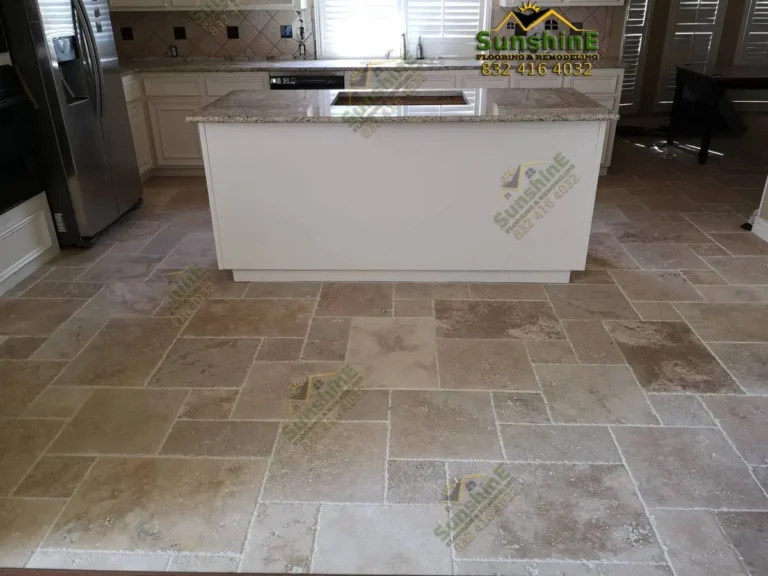
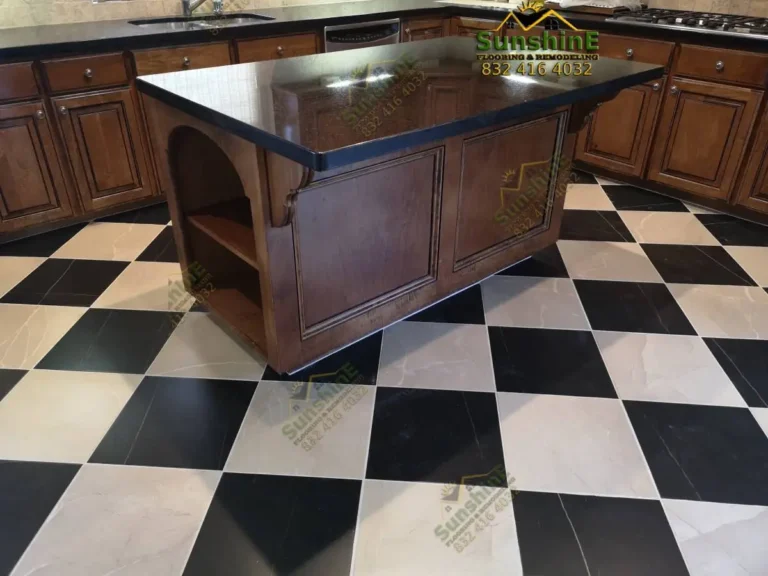
Recent Flooring Projects in Houston, TX



Ready to Talk About Your Houston Floors?
Tell us your neighborhood, your foundation type, and what is on the floor now, and we will tell you honestly whether you are looking at a refinish, a replacement, or a prep-first project.
Explore the details: all flooring services, hardwood, engineered hardwood, luxury vinyl plank, tile, and stairs. Or read the full Houston flooring installation guide.
Also planning a Houston kitchen or bathroom project? See our Kitchen Remodeling in Houston, TX and Bathroom Remodeling in Houston, TX services.
Replacing floors after a leak or flood? See our water damage restoration services in Houston.
Updating more than one room? See our whole-home remodeling services in Houston.